
Category: Uncategorized
“The Well-Known Places Found in MSEUF”
UNIVERSITY LIBRARY
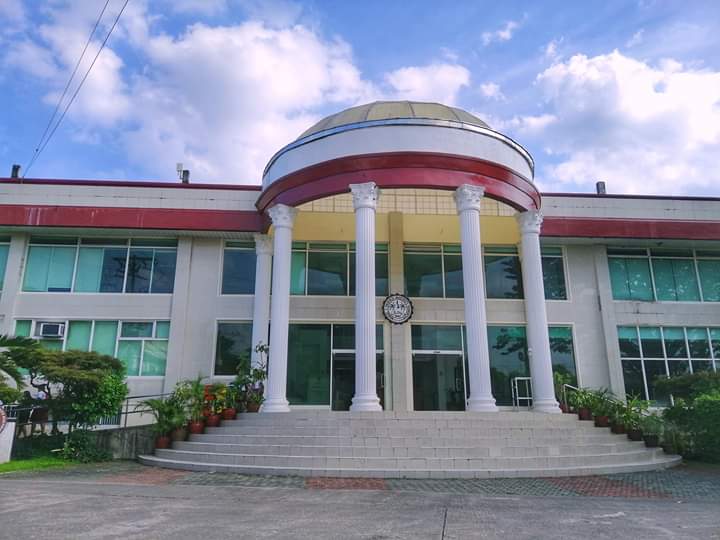
The University Libraries recognize their roles as instruments of teaching and research in the academe. The organization of all materials and resources, the facilities provided and selection, training, and management of the staff, are all geared toward the fulfillment of their roles.
The general objectives of the University Libraries System is to gather, organize and service a collection of library materials- print and non-print, book and non-book, in support of the university’s educational programs.
Towards the fulfillment of its mission and objectives, the University Libraries accept responsibility, for the following:
To uphold the mission statement of the University and be instrumental in its ultimate realizations;
To acquire, organize and provide books and non-book materials that will support and reinforce curricular offerings of the University;
To provide materials that will support the goals and objectives of the University and add strengths to the educational, physical, social and spiritual progress of the university, the faculty, the staff and the students as well;
To teach and instruct the users in the use of library materials by way of orientation and individual guidance;
To build a balance collection representing all files of learning;
To maintain an atmosphere conducive to learning and the foundation of good reading habits; and
To make available reference materials for faculty, non-teaching personnel and students’ use.
The Library Complex is Located along the Calayaan Circle at Manuel S. Enverga University Foundation, Lucena City.
The Library is the biggest library here at Southern Tagalog Region.
Arguably the new most famous landmark of Enverga University, the MSEUF Library Complex is one of the most modern educational facilities of its kind in the country. Aside from housing all departmental libraries, it also contains the M.S.E. Museum and Memorabilia.
The Library is the biggest library here at Southern Tagalog Region.
Arguably the new most famous landmark of Enverga University, the MSEUF Library Complex is one of the most modern educational facilities of its kind in the country. Aside from housing all departmental libraries, it also contains the M.S.E. Museum and Memorabilia.
THE STATUE OF MANUEL S. ENVERGA
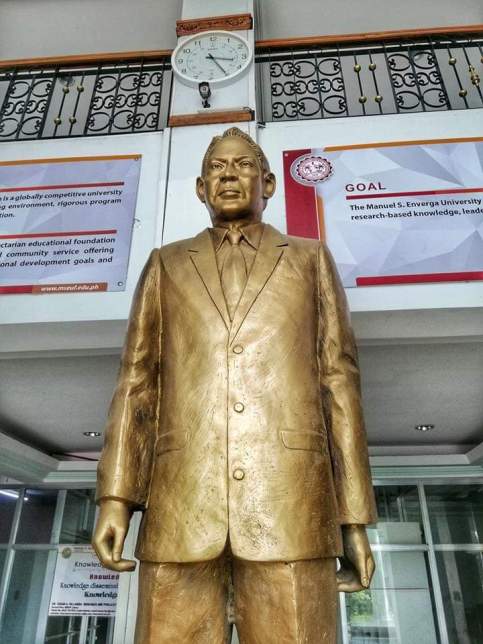
The statue of Manuel S. Enverga is standing tall inside the library of mseuf. It is in the center between the stairs for second floor. Every time we went to library, we can always see the statue. Its golden color at any rate is the light of the library. It pays respect to founder of our beloved Enverga.
COMPUTER LABORATORY
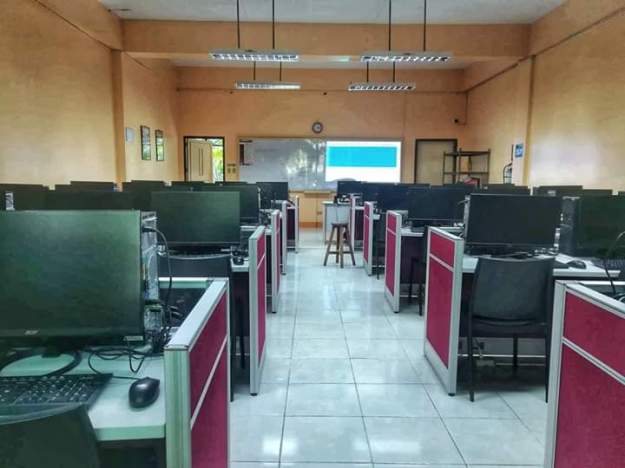
The Computer Laboratory of Enverga has a complete and well facilitated computer of all. First floor where most of the senior high spend their lesson with. Had three rooms to be exact. Then the second floor where our e – tech or ICT subject is there. It also had three rooms. Together we learn so much in technology, that it has something more than just a gadget. Its also our first subject in the morning every Tuesday and Thursday and spent two hours in computer laboratory.
CNAHS BUILDING
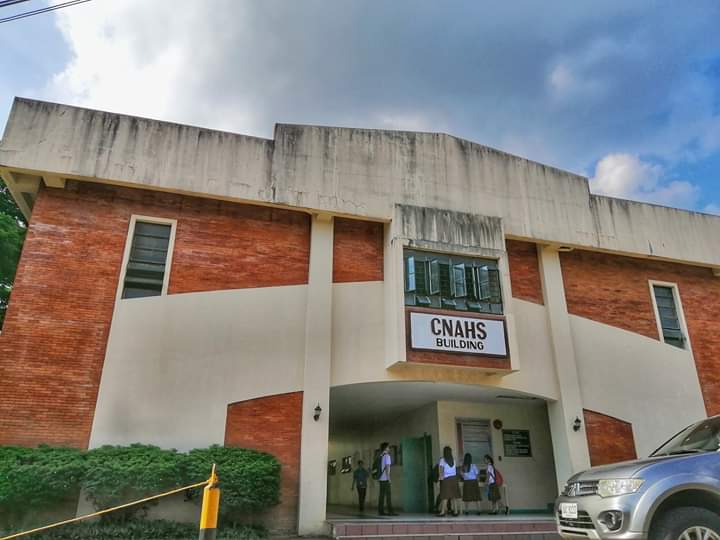
The CNHS building is composed of 10 rooms. Where the first floor are consist of NB room 101 – 106, Educational Media Resource Center or EMRC V, the Medical – Dental Clinic that students always go whenever they have emergency in health conditions and lastly the Anatomy and Psychology Lab, this is where the medical student study their college degree. It is also a lab where they can do experiment. Senior high like us is didn’t have a permit to enter the lab only the professor or medical student is allowed. It is also a floor where our homeroom is located. Then the second floor are consists of Nursing office, Faculty rooms, Dean’s office, the Guidance office, Dsc office and the clinical or skills laboratory. Its also consist of rooms 201 – 204.
ADMINISTRATION BUILDING
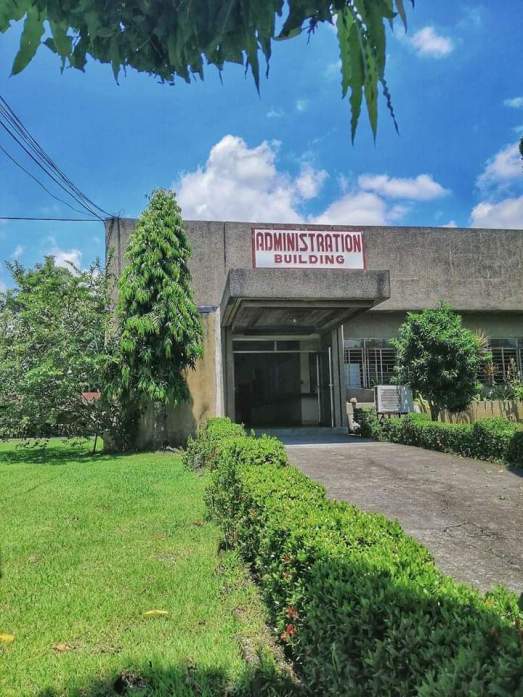
The Administration Building is a building where all the staff, council, committee or teachers work to balance and arranged all the papers in the whole enverga. This is where we back and fourth during the enrollment. I remember that only window 2 and window 4 are the cashier where we pay our tuition fee every month. It has a good system that our enrollment in June became so smooth even though is has a long line cause of plenty of future envergans that wanted to be part of it. A school applications or just a question, administration building is perfect for all of it.
ST. BONAVENTURE STUDENT CENTER
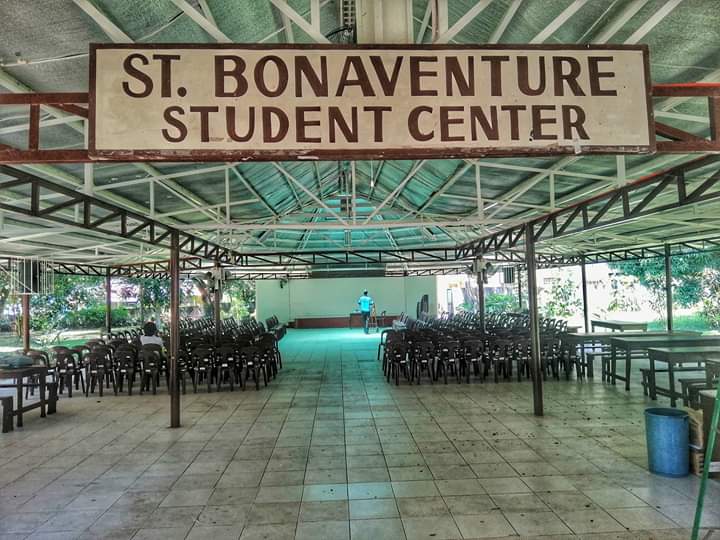
St. Bonaventure Student Center is consider as chapel, a meeting place, seminar and of course an envergans student lounge. It was a huge center that have a capacity for almost ten sections. It was named after Dr. Saint Bonaventure.

Dr. Saint Bonaventure was a Christian theologian and minister general of the Franciscans. He is considered one of the greatest scholastic thinkers of medieval Europe and is called the Seraphic Doctor because of his mystical holiness.
St. Bonaventure whose real name is Giovanni di Fidanza was born in Bagnoregio near Viterbo, Italy, the son of John of Fidanza and Maria Ritella. He went to the University of Paris in 1235 where he studied under Alexander of Hayler and John of Le Rochelle. He joined the Franciscans in 1243 taking the name Bonaventure and progressing in his theological studies to become a master (professor) of theology in 1254.
During this period he wrote a commentary on the Scriptures, the Breviloquium, and like his contemporary Thomas Aquinas worked to integrate Aristotelian insights into the Augustinian tradition. Bonaventure accepted much of Aristotle’s scientific philosophy, but he rejected what he knew of Aristotle’s metaphysics as insufficient because the light of the Christian faith did not guide Aristotle.
He took the doctrine of the illumination of the human mind (the soul) by the divine, a means of identifying truth or falsity of judgment, from St. Augustine. His Journey of the Mind to God (1259) and his short mystical treatises reflected his concern with the way the soul recognizes and unites with God.
Noted for his learning and good judgment, Bonaventure was elected minister general (superior) of the Franciscans in 1257 at a time when the order was divided over how strictly it could, as an order, observe St. Francis’ commitment to poverty. He healed the division and thus came to be regarded as the order’s second founder. He wrote the official Life of St. Francis of Assisi in 1263, traveled, and preached the Franciscan way of life.
COMMERCE ENGINEERING TECHNOLOGY
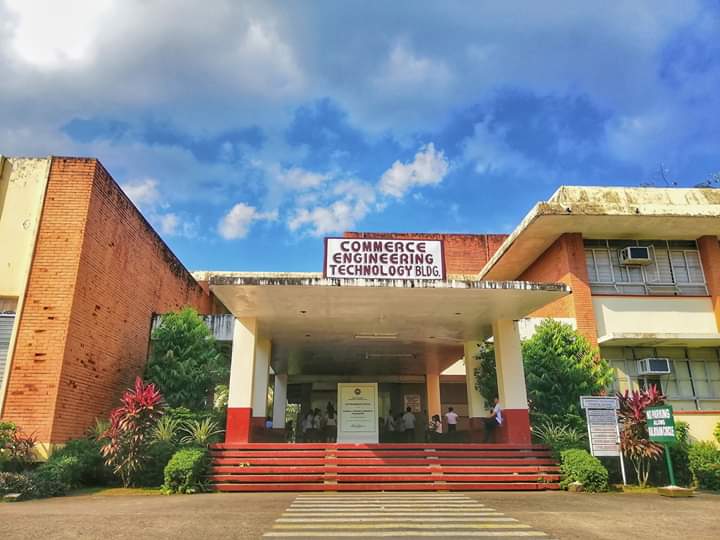
The Commerce engineering technology is really a huge building with more than 12 class rooms. Aside from that is the Educational Media Resource Center II, Typing Laboratory, academic counseling room, office simulation room, JPIA accounting clinic and the CBA micro enterprise laboratory. Its really an engineering building so expect to see a lot of professor or teacher in a hallway. Office of the dean college of engineering and technical development is like a faculty room for the advisers. Also the Technical faculty or laboratory and hydraulics laboratory were also inside the CET building. Aside from all of that is the Mechanical engineering laboratory and Executive Training Center though I didn’t have a chance to have a glimpse of almost all the rooms I mention, I still adore it. Room 105 and 108 are just our room in that building and it happen every math subject like Pre – calculus and General Mathematics.
RODOLFO ABADILLA HALL
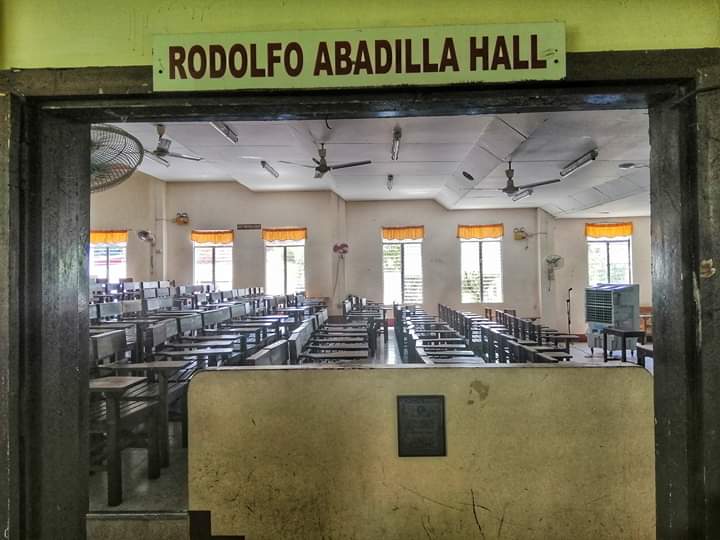
The Rodolfo Abadilla Hall is also located inside the building of Commerce Engineering Technology. A large hall where some of the performance often happened in here. Its a also a room for some and an announcement meeting for the teachers.
UNIVERSITY CENTRAL CANTEEN
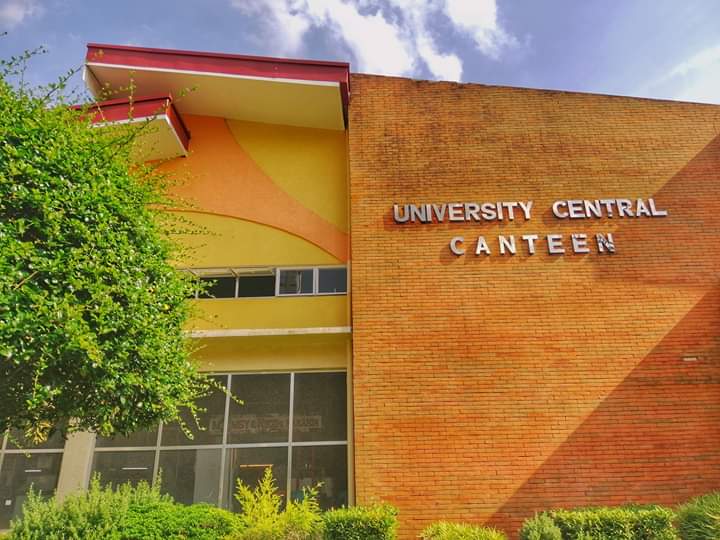
Of course the most favorite and cherish place of envergans, the University Central Canteen. Even myself is fond of it. Its an immense canteen that holds more than 10 branches of food court. It has a complete set of meal. From snack to lunch, everything is polish. Blizzard, siomai, waffles and even hotdog is there if you are talking about of what you’re gonna eat for a break. Lunch? No problem of that. It has chi – cha which is my favorite, koffee klatch and many more. You don’t have to go outside of the school to buy delicious food. The only reason envergans go outside is the affordable prices and a very long line to get a food. It is also convenient for us cause the university central canteen has a school supplies to buy immediately. Has their own bathrooms and also a place to stay. You can always catch an envergans inside the canteen even class hours.
OFFICE OF STUDENTS AFFAIRS
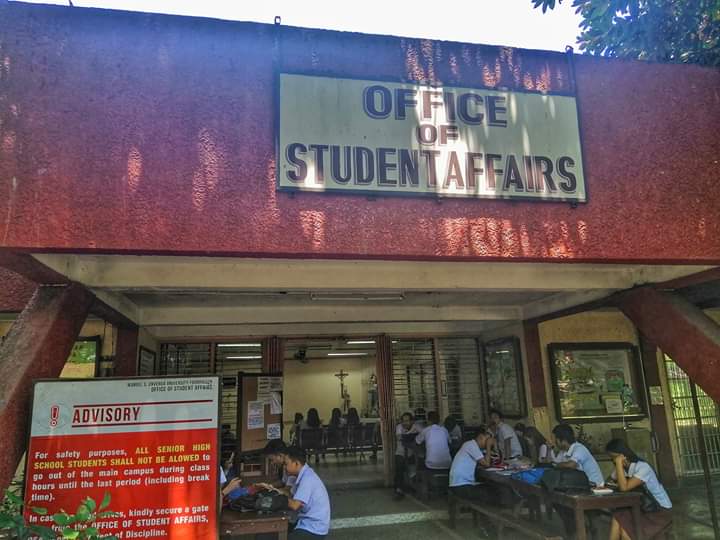
The office of student affairs also called OSA but we’re calling it osable specially if you had a bad attitude then you’re an osable person. Why is that? Cause from the word student affairs means a behavior of an envergans must be tolerated. Its like a guidance office that the students fear of. But aside from that, it is also a start to make a way for being a true enverganista. That’s the very first place that we hit the road in enrollment. From filling our papers, entrance exam and finalizing it. That’s where they held our records in school. Outside of the office is the spot to stay and to finish your school stuff just like what you have seen in the picture.
BANYUHAY BRIDGE
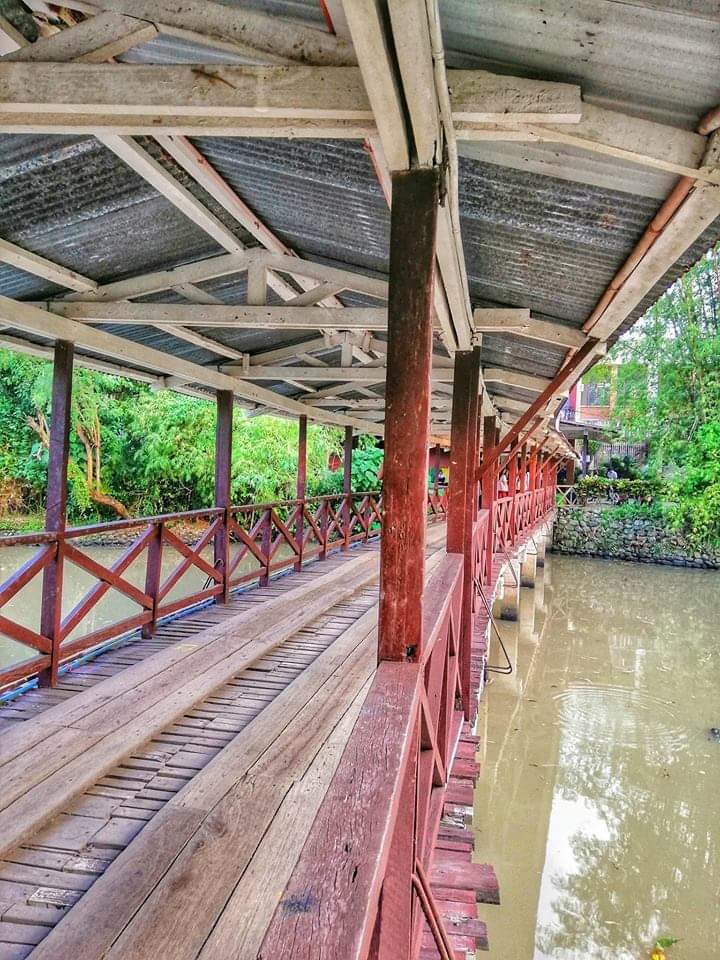
The famous banyuhay bridge of enverga. You will never be a true everganista if you didn’t see or walk in the bridge. The name of a dance troupe in enverga was also derived from it. The bridge serve as a connected path of AEC building and CET building. From then you’ll first notice the office of student affairs and taking off the track for the banyuhay bridge. Its been there since the school was created and hasn’t been destroyed untill today. So much respect for the bridge and the creator of it. It gives a wonderful sight in school.
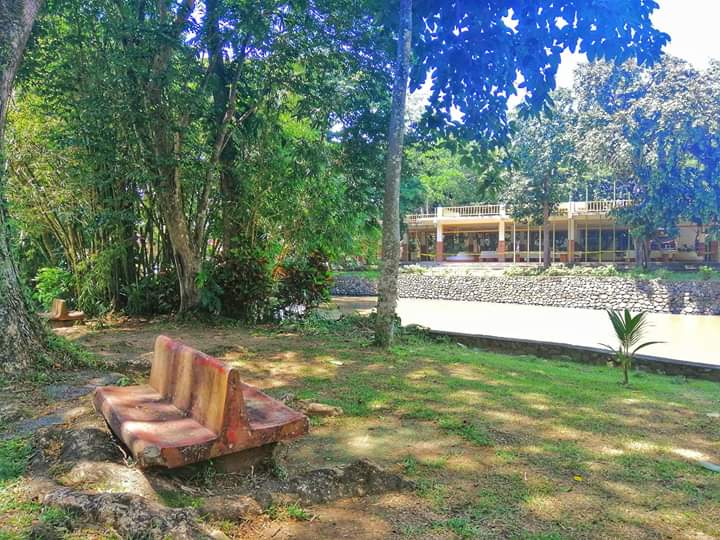
It also has a place to talk with someone. Either friends or love ones often meet, enjoying a scenery cause it was surrounded by a bamboo tree. Just a place to relax and create a bond.
AEC BUILDING
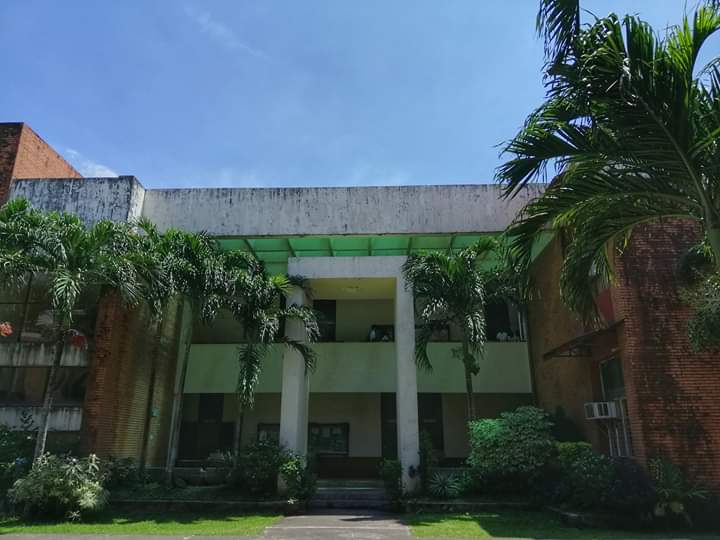
The AEC building was also a huge building next to CET building well for me I guess. Because the ground floor are composed of executive offices, science and criminalistic laboratories, institute of graduate studies and research, deans office college of criminology and law enforcement and AEC little theater.
AEC LITTLE THEATER
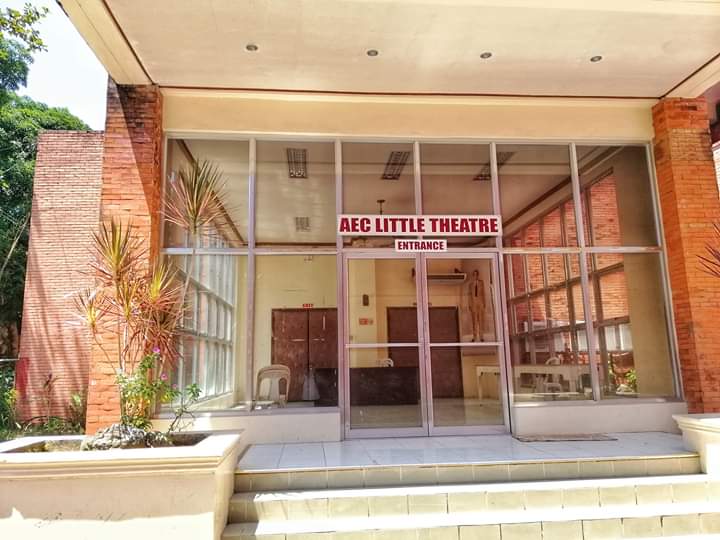
The AEC little theater is hall of all the performance. I remember the first time we perform in the stage of theater. It was so overwhelming by the ambiance of it even though our adviser was the only audience, I feel like performing in a huge crowd by just looking up above and in the multiple of sit.
Going to second floor are the nursing skill laboratory, speech laboratory, Dean’s office college of art and science, dean’s office college of education and the finally the main educational media resource center. From looking up the place in AEC building and as a Science Technology, engineering and Mathematics student obviously its not a place for us. It was common from the of course the criminology college and from humanity and social science student.
STUDENT LOUNGE
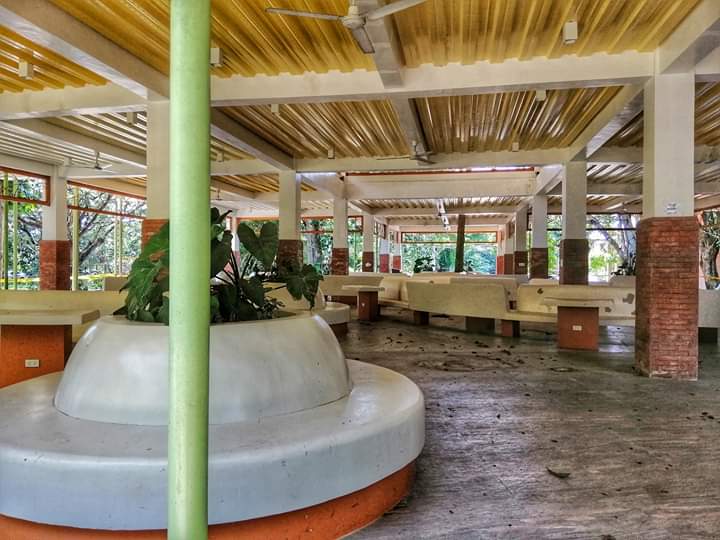
The student lounge is the most comfort place for a student. It was near in the banyuhay bridge so it was really refreshing. Here the students always went whether they just want some place during vacant or just wanted to finish their work. Even if you’re alone, you can occupy the whole desk just for yourself. I often go here so that I can have a peace mind cause no one can give a care with your business. But for now it was temporary close due to some reasons.

Since the student lounge near banyuhay bridge is temporary close. It is not the end of enverganista. There is so many place for the student to stay for a while. Like the student lounge of Commerce Engineering Technology. South side of the CET building. It was just a long hallway with bunch of tables. Its also a refreshing place with a grass or tress behind it.
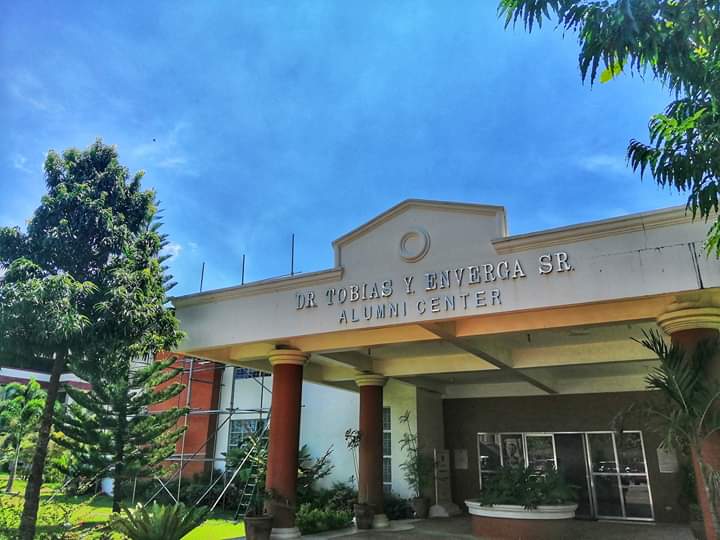
DR. TOBIAS Y. ENVERGA SR.
PARKING LOT OF MSEUF
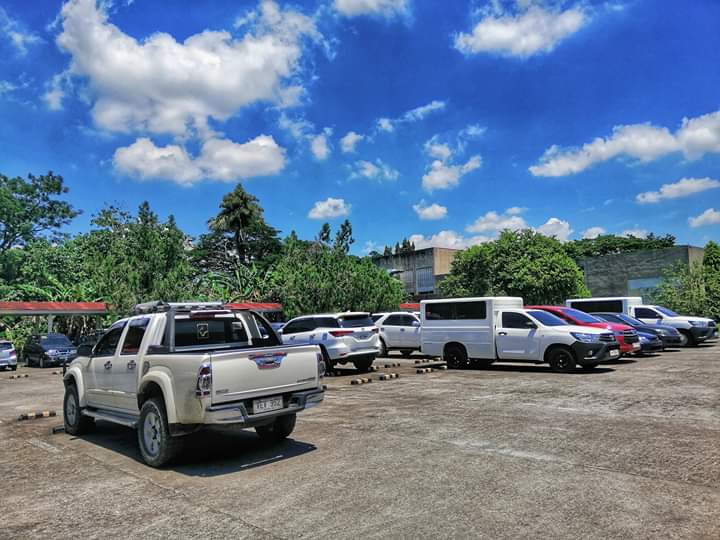
OUTSIDE THE ENVERGA
MSEUF SECONDARY SCHOOL
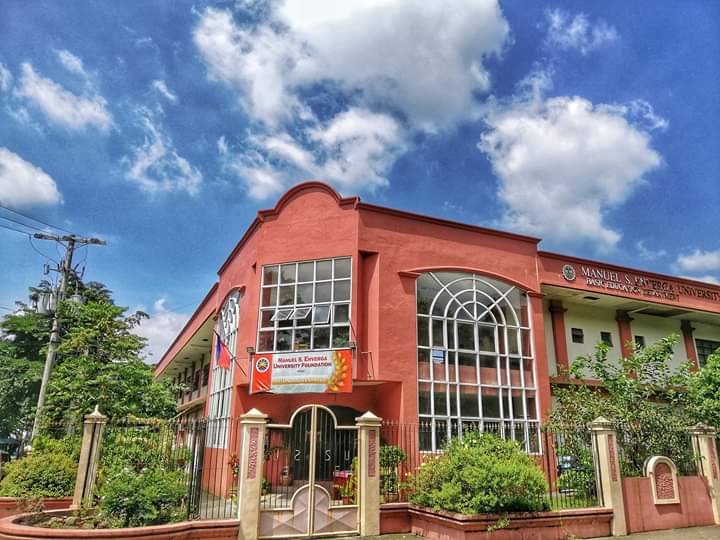
Manuel S. Enverga University is not only for college and senior high. It also has a secondary high school or junior high. It’s located just a walk with the campus. A successful educational institution definitely begins in a strong foundation and that is the basic education. With this, the Secondary School Department steered the progress of the university by nurturing and developing young minds. The dedicated men and women who labored to make the department as one of the best venues to gain a high school diploma. With the perfect combination of the four principals and faculty who once honed the characters, talents, and skills of the young people who passed through its doors, the SSD progress continues…
At present, the Secondary School Department has created a resilient mark in providing quality education. And certainly, its history had shaped the department to be one of the best schools all throughout the region.
The Beginning (1947-1974)
The first principal of the high school department was Mr. Paterno L. Africa, one of the incorporators of the then Luzonian Colleges. He served the department with a passion for excellence for twenty-seven years. There were fourteen teachers under his supervision who beefed up the teaching force of the department.
Four sections comprised the first set of graduating students who led a closely controlled high school life. But the rigid discipline worked well. Many students shone in interschool competitions, sports, academics, and even in beauty pageant.
From four sections, the department grew into thirty sections from first year to fourth year. And definitely, the increased of enrolment required another batch of dedicated mentors.
ENVERGA UNIVERSITY GYMNASIUM
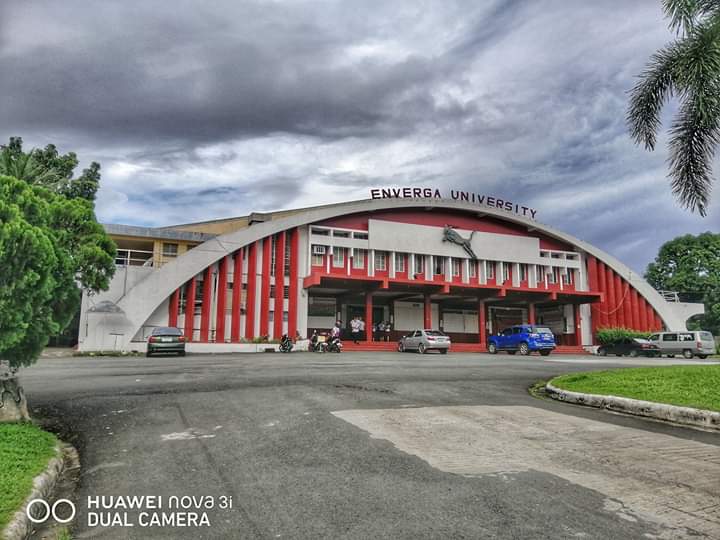
The University Gymnasium is the best among the rest. You can always sighted it along the way specially if you’re going to super mall. Its a big gymnasium that has a complete package of all the covered court. If you’re going to have a really big announcement, you can always use the gymnasium of enverga. With the symbolism of a wild cat, Its a really a hot tempered building cause every time there’s a competition you can hear a wild envergans cheering for their team. The welcoming of grade 11 senior high was also happen in here.
COVERED COURT
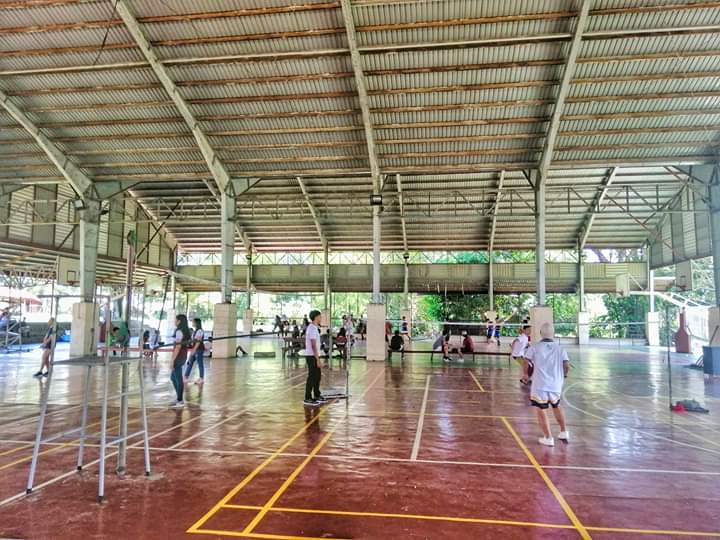
The gymnasium have three covered courts so there’s always a room for physical education subject. We’re always in that area to do some activities and learning our subject every Friday.
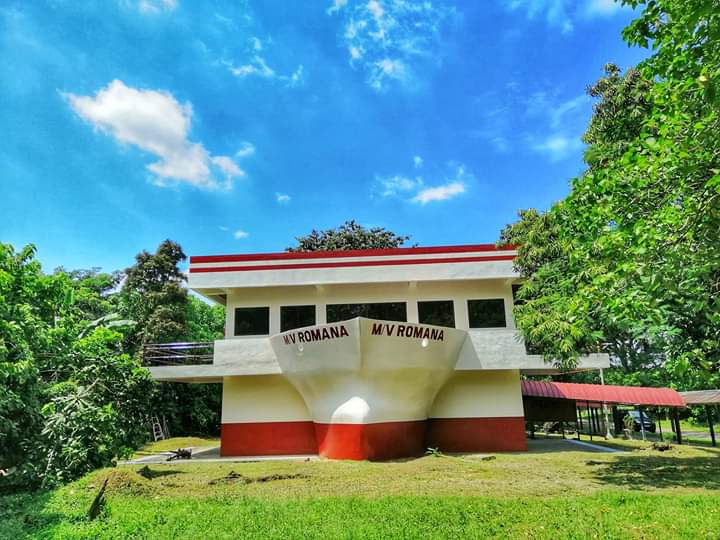
MV ROMANA
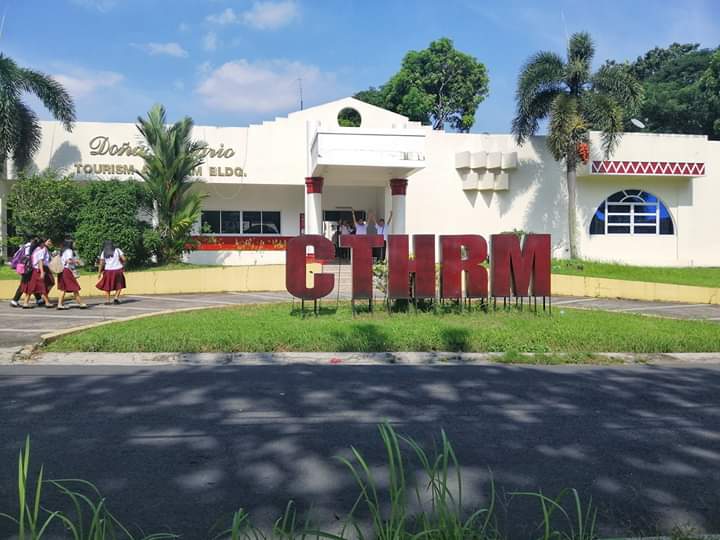
CTHRM BUILDING
MSEUF: The Leading University

Enverga University, also known as Manuel S. Enverga University Foundation or MSEUF, is a private, non-sectarian university, which is situated mainly in Lucena City. It has satellite campuses in Candelaria, Catanauan, Sampaloc, and San Antonio, which are located in the province of Quezon, Philippines. The university is named after to its founder, Atty. Manuel S. Enverga. Enverga University also has the second highest number of accredited academic college degrees/programs offered in the whole Southern Tagalog Region, behind University of the Philippines Los Banos.
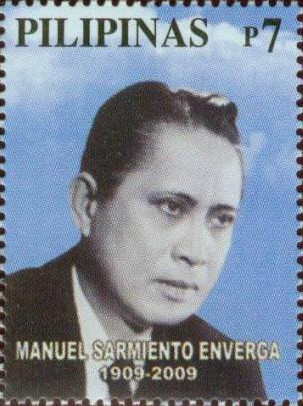
The Luzonian Colleges attained full university status on August 8, 1968 with education secretary Onofre D. Corpus signing the university charter. Two years later, on February 12, 1970, the Luzonian University became a foundation, a strategic decision that demonstrated the civic-mindedness of its founders and incorporators who donated their shares of stocks to the University, a move that would eventually prove to be unique but forward looking in the annals of higher education.[1]
Founder-president Dr. Manuel S. Enverga died on June 14, 1981, secure in the knowledge that the university he founded would continue to serve the citizens of Quezon and the rest of Luzon. The Board of Trustees approved the renaming of the Luzonian University Foundation to Manuel S. Enverga University Foundation in 1983 in recognition of the founder-president’s magnanimity.[1]
Meanwhile, the Institute of Physical Education and Sports began to operate in 1979 as an adjunct of the College of Education while the College of Criminology and Law Enforcement, that used to be under the umbrella of the College of Arts and Sciences, became a full-fledged college in 1986. Similarly, the citizens of Candelaria, Quezon gathered written petitions for a satellite campus to open in the area.
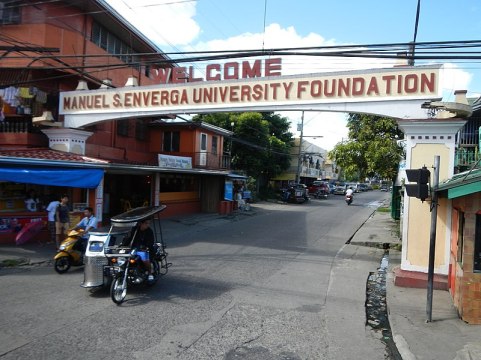
The Manuel S. Enverga University Foundation was built after World War II. The debilitating aftermath of the war brought education to a halt. The economic dislocation that ensued left many young people of school age with little chance of getting an education. Parents from many parts of Quezon Province had to mortgage their lands or sell their last carabao to send their children to college in Manila. The situation presented both a challenge and an opportunity to a group of pioneering and vision-driven individuals led by Dr. Manuel S. Enverga who founded the Luzonian Colleges on January 14, 1947 to give needy students access to higher education.
Barely two years after, the College of Law opened to serve the needs of Associate in Arts graduates who wanted to take up law at nighttime. The complete commerce program was given the authority to open on October 5, 1949. The year 1950 saw the opening of a satellite campus in Catanauan, Quezon. The Institute of Graduate Studies and Research and the College of Engineering opened in 1955, giving Luzonian students more varied career choices. The San Antonio, Quezon campus was set up on June 22, 1959. In 1960, the school started to offer technical courses and two years later, the College of Architecture, became a fully independent academic program from the College of Engineering.

The Manuel S. Enverga University Foundation offers various postgraduate programs in the liberal arts, education, physical education, business administration, public administration, and computer studies, and undergraduate programs in the arts and sciences, public administration, accountancy, business administration, law, education, engineering, criminology and law enforcement, architecture and fine arts, computer studies, maritime education and also technical courses.
The Journey Begins
Thanks for joining me!
Good company in a journey makes the way seem shorter. — Izaak Walton

 Besties' Blog